Philippines – President Ferdinand Marcos Jr. has drawn a clear line for whoever hopes to earn his backing in the 2028 presidential race. His pick must be willing to carry forward the anti-corruption drive he started during his term.
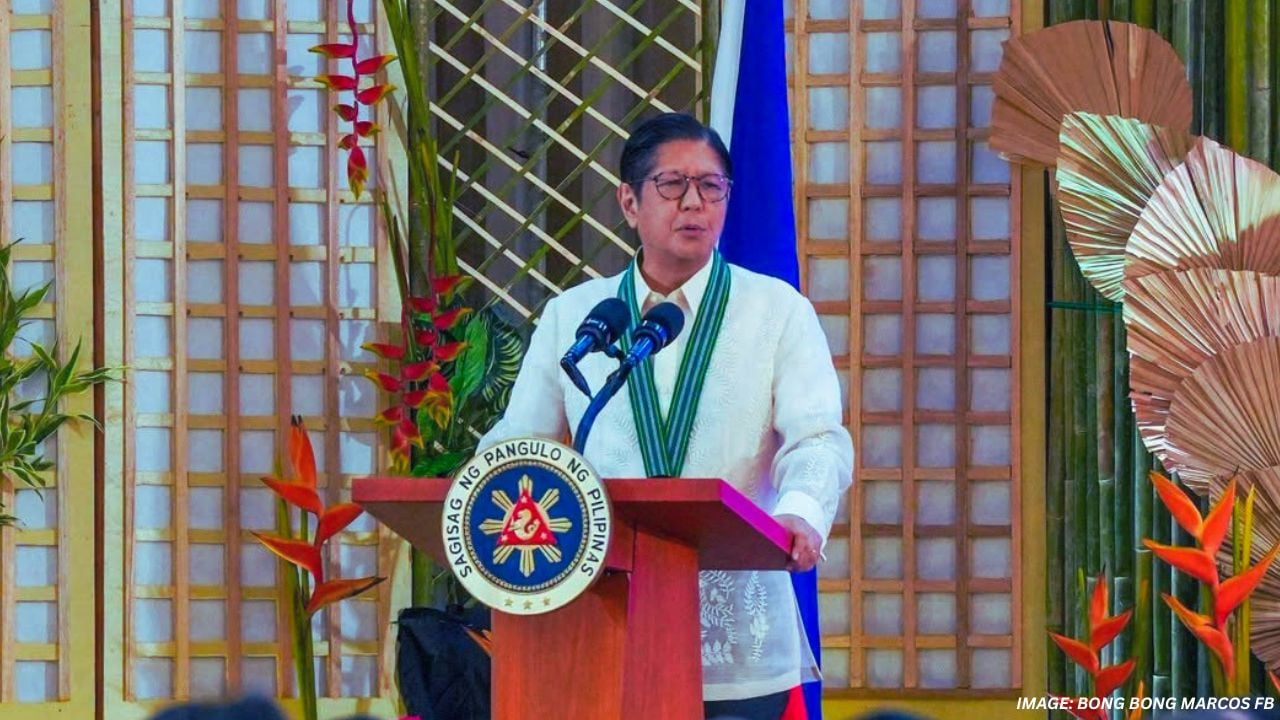
According to a statement from President Marcos, the fight against graft will be the deciding factor in who receives his endorsement once the campaign season nears. He made his position plain, saying: “The candidate I will endorse will be someone who I am confident will continue our anti corruption measures.”
One Clear Standard
Marcos did not lay out a long list of demands. Instead, he zeroed in on a single, non-negotiable point: the next leader must protect and build on the reforms his government has pushed against corruption in public office.
For Filipinos watching from abroad, the message signals that clean governance will remain a central theme heading into the next national election. Overseas Filipino workers often point to corruption as one of the reasons they feel forced to seek jobs in other countries, making this a topic that hits close to home for many.
No Name Yet
While the criterion is set, the President stopped short of naming anyone. He explained that it is still too early to point to a specific person, with the 2028 vote years away.
Here is what we know so far:
- Marcos has a firm standard for his endorsement.
- That standard centers on continuing his anti-corruption programs.
- He has not identified a preferred candidate.
- He considers it premature to announce a choice this early.
This leaves the door open for several possible names to emerge as the political landscape shifts over the coming years.
Why It Matters for OFWs
Endorsements from a sitting president can shape the momentum of a campaign. By tying his support to the anti-corruption cause, Marcos is putting pressure on future hopefuls to prove where they stand on the issue.
For the millions of Filipinos working overseas, the direction of the next administration affects everything from remittance policies to labor protections and consular services. A government that keeps a tight grip on corruption could mean more of their hard-earned money reaches the programs meant to help families back home.
For now, the President has set the bar. Who steps up to meet it remains an open question, and one that Filipinos here and abroad will keep watching closely as 2028 draws nearer.