Philippines – Families, public schools, and health centers in three island communities will soon get better water and sanitation services. The Philippine government has sealed a ₱14.9-billion financing deal with the World Bank.
According to a statement from the World Bank and the Department of Finance, Finance Secretary Frederick D. Go signed the loan agreement on October 6. World Bank Division Director Zafer Mustafaoğlu signed it earlier, on September 23. The funds will cover the first phase of the Philippines Accelerated Water and Sanitation Project in Selected Areas, which the World Bank approved on July 31. The Department of Public Works and Highways (DPWH) and the Department of the Interior and Local Government (DILG) will oversee the project.
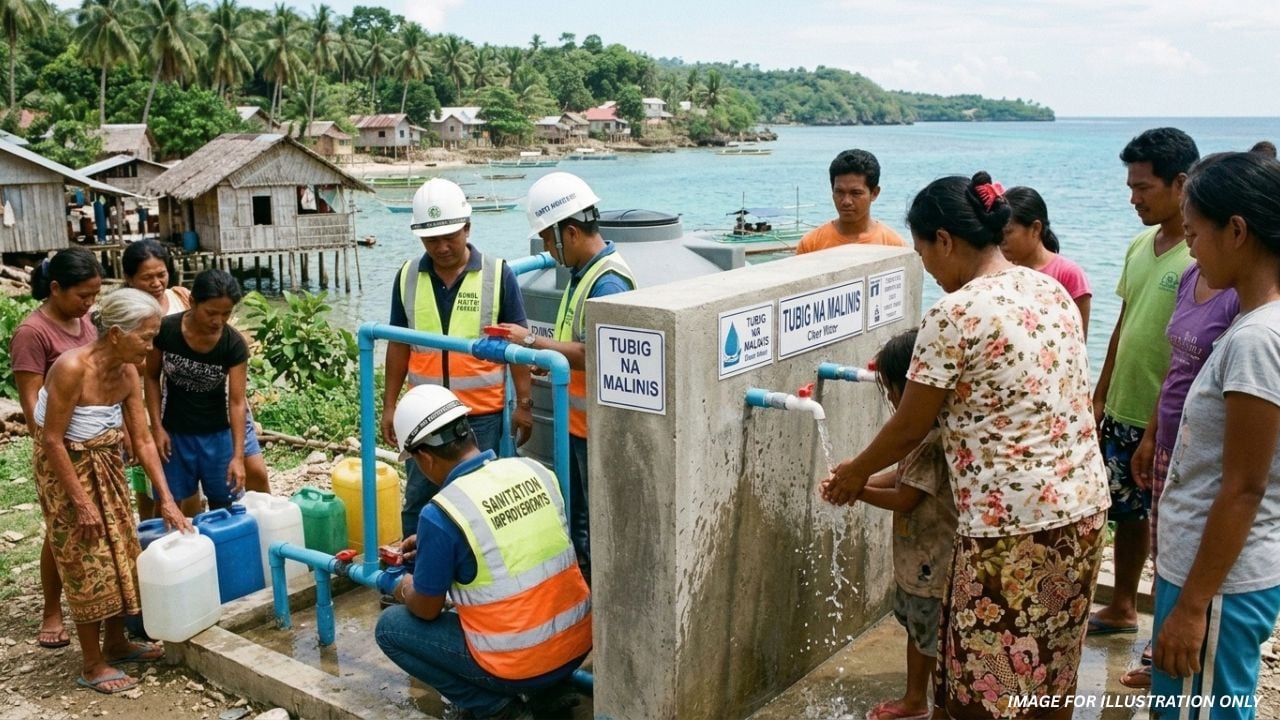
What Each Area Can Expect
Each area will get upgrades suited to its needs:
- Bohol: A bulk water system will draw from the Loboc River and feed upgraded and expanded distribution lines. Schools, daycare centers, and health facilities will also get water and sanitation improvements. Local officials have already started groundwork, including procurement for right-of-way planning services in August.
- Siargao: The island will get new and improved water supply facilities, plus equipment to collect and manage septic waste. The upgrades will serve residents and support the tourism industry that many local families depend on.
- Sulu: Water systems will improve in Jolo and parts of nearby Indanan and Patikul. Public institutions in these areas will also get better sanitation facilities.
More Than New Pipes
The World Bank calls this the country’s first comprehensive project of its kind. It covers the full chain, from developing water sources to managing sanitation.
The project also aims to strengthen the operations and finances of local water providers. That way, the new systems can keep running well long after construction ends.
“By strengthening institutions and mobilizing private participation, it will help deliver reliable, safe services,” Mustafaoğlu said when the World Bank approved the project in July.
Jobs and the Road Ahead
The World Bank estimates the project could create about 8,700 jobs within five years of completion. Over 25 years, that number could grow to around 46,500 as better water services boost local business activity.
The next steps are construction, connection upgrades, and the delivery of working water and sanitation systems to the covered communities.
For OFWs with loved ones in Bohol, Siargao, or Sulu, this is welcome news. Safe, reliable water at home means healthier families, better-equipped schools and clinics, and new chances to earn a living in the community. We’ll keep you updated as the project moves forward.