Border officers in Singapore stopped another smuggling attempt at Tuas Checkpoint, and the case is a strong reminder for everyone crossing into the country about what happens when you try to sneak in untaxed goods.
According to a news report, officers from the Immigration and Checkpoints Authority (ICA) arrested a 34-year-old Malaysian woman on July 26, 2026. She had tried to bring duty-unpaid cigarettes into Singapore using her Malaysia-registered motorcycle.
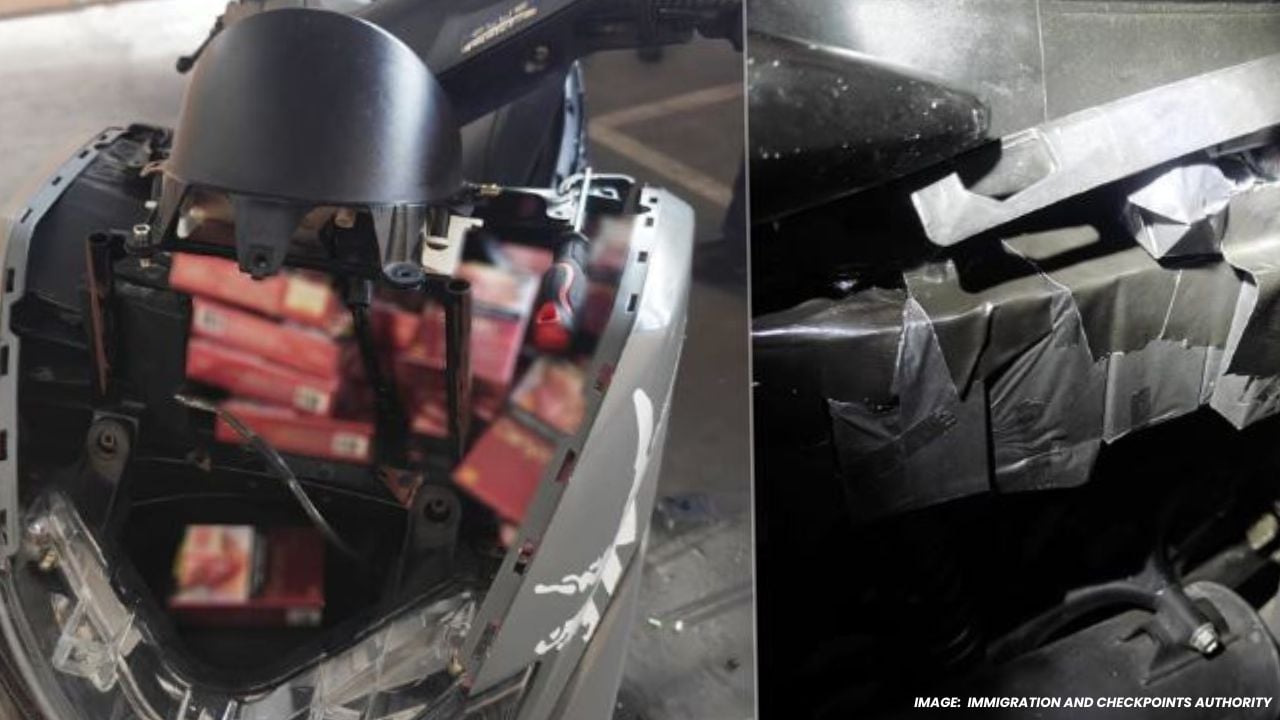
How the Smuggling Was Uncovered
The bust started with a tip from ICA’s Integrated Targeting Centre (ITC). This unit runs around the clock and uses data analytics to assess travelers, vehicles, and cargo before they even reach the checkpoint. Anyone flagged as high-risk gets pulled aside for closer inspection.
In this case, the ITC directed officers to give the motorcycle a thorough search. Their instincts paid off. Hidden inside various compartments of the bike, officers found more than 400 packets of duty-unpaid cigarettes.
The woman was arrested on the spot. Both the suspect and the seized cigarettes were handed over to Singapore Customs for further investigation.
What the Law Says
Bringing in, selling, holding, or dealing with duty-unpaid goods is treated seriously in Singapore. These acts break both the Customs Act and the Goods and Services Tax (GST) Act.
For OFWs and other expats living or traveling here, it helps to know the penalties. Offenders can face:
- A fine of up to 40 times the amount of duty evaded
- Jail time of up to six years
- Or both a fine and imprisonment
On top of that, the authorities can seize the vehicle used in the crime. Any money earned from selling the smuggled goods can also be forfeited.
Why This Matters for Filipinos Abroad
Many Filipinos travel between Singapore and Malaysia for work, family visits, or short trips. Cases like this show that checkpoints are watching closely, and technology now plays a big role in catching illegal activity.
The lesson is simple. Do not risk carrying cigarettes, alcohol, or other taxable items beyond the legal limit. What looks like a quick way to save money can cost you your vehicle, a heavy fine, and even your freedom.
ICA has made its stance clear: it will keep working to keep Singapore’s borders safe while still allowing smooth travel and trade. For OFWs here, staying informed about these rules is the best way to avoid trouble.