Singapore – A domestic helper in Singapore has asked a question many migrant workers may be quietly wondering about: can an employer legally install a CCTV camera inside a helper’s bedroom? She said the room she sleeps in is “too small” and shared by two people, and she wanted to know if she still has any right to privacy there.
According to a news report, the helper posted her concern in the Complaint Singapore Facebook group on October 3, saying she was “just curious to know” whether the setup was allowed.
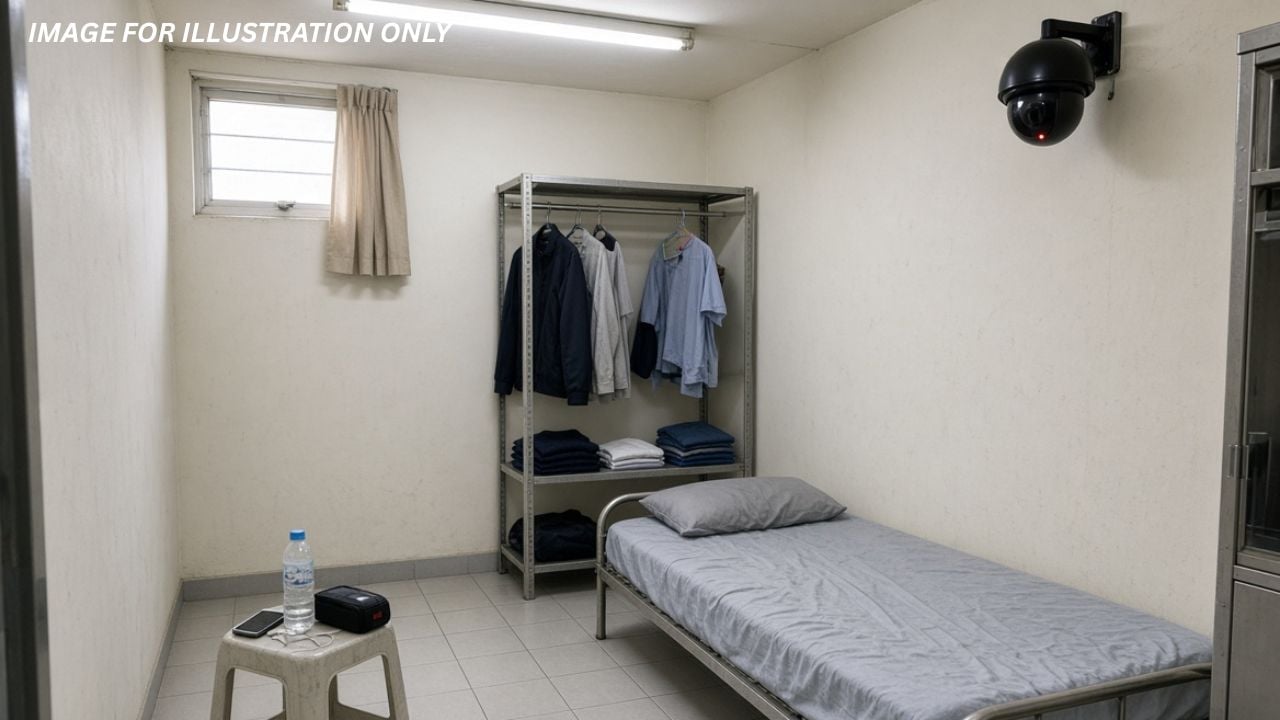
A Simple Question With a Big Concern
The helper’s post was short but direct. “Can my employer put CCTV in my bedroom?” she asked, and she appealed to other members for help in understanding the rules on surveillance cameras in workers’ living spaces.
She ended her post with a question that struck a chord with many readers: “Don’t I have any privacy inside my bedroom?”
Netizens Rally Behind the Helper
The post quickly gained attention, and most commenters agreed that a camera in a helper’s sleeping area crosses the line.
- One user said “it’s against the law” and urged her to report the matter to the Ministry of Manpower (MOM).
- Another said cameras are acceptable only if placed outside the bedroom.
- A commenter called it a “big No!!!” but suggested an exception if the helper shares the room with an elderly person or a baby.
- Another agreed with that view and added that employers should still tell helpers where the cameras are.
These exceptions are netizens’ opinions. They are not official MOM rules.
What MOM’s Guidelines Actually Say
MOM’s guidelines for employers are clear on this issue. Employers who install video recording devices at home:
- Must inform their migrant domestic workers that the devices exist and where they are placed
- Must not install cameras in areas that would compromise a worker’s privacy or modesty, including where she sleeps, changes clothes, or uses the bathroom
MOM also says employers should give helpers adequate space and privacy in their accommodation. A separate room should be provided where possible. If that isn’t possible, the living arrangement must still offer enough space and privacy.
Where Helpers Can Turn for Help
You don’t have to face this kind of situation alone. In a May 2026 parliamentary reply, MOM said domestic workers with privacy concerns at home can get advice and support through its Migrant Domestic Worker helpline.
Helpers can also reach out to these organizations for help:
- Centre for Domestic Employees (CDE)
- Brahm Centre
If you’re a kababayan working in Singapore and something about your living conditions doesn’t feel right, it’s okay to ask questions and speak up. Knowing your rights is the first step to protecting your dignity and peace of mind while you work hard for your family back home.